
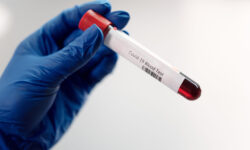
Description
Affiliation: American Red Cross
Overview:
This course provides comprehensive instruction on the necessary precautions and procedures to prevent exposure to bloodborne pathogens in the workplace. Through a combination of theoretical knowledge and practical guidance, participants will learn to recognize potential exposure risks and implement effective control measures to maintain safety and health.
Learning Objectives:
By the end of this course, participants will:
- Understand Bloodborne Pathogens: Learn about the types of bloodborne pathogens, how they are transmitted, and the diseases they can cause.
- Exposure Control Plans: Gain knowledge on developing and implementing an Exposure Control Plan (ECP) as required by OSHA, including identifying job classifications and tasks with exposure risks.
- Use of Personal Protective Equipment (PPE): Understand the proper selection, use, and disposal of PPE to prevent exposure to blood and other potentially infectious materials (OPIM).
- Work Practice and Engineering Controls: Learn about work practice controls and engineering controls to minimize exposure risk, such as safer needle devices and proper disposal methods for sharps.
- Universal Precautions: Emphasize the importance of treating all human blood and OPIM as if they are infectious, following universal precautions to protect oneself and others.
- Response to Exposure Incidents: Understand the steps to take in the event of an exposure incident, including first aid measures, reporting procedures, and post-exposure evaluation and follow-up.
- Housekeeping and Decontamination: Learn effective cleaning and decontamination practices to maintain a safe work environment.
- Hepatitis B Vaccination: Discuss the availability and benefits of the Hepatitis B vaccine for employees at risk of exposure.
Who Should Attend:
This training is essential for employees in healthcare settings, emergency response, housekeeping and janitorial services, and other occupations where there is a reasonable anticipation of contact with blood or OPIM.
Duration:
The course typically lasts 1 hour, combining classroom-based learning with practical field exercises.
Certification:
Participants who successfully complete the course will receive a certificate, indicating their understanding and ability to implement practices and procedures to prevent the transmission of bloodborne pathogens.
Note:
Bloodborne pathogens training is crucial for protecting workers from the health hazards associated with exposure to infectious materials. This course not only helps fulfill OSHA’s training requirements but also promotes a culture of safety and health within the workplace. Employers are encouraged to provide this training to all at-risk employees upon initial assignment and annually thereafter.


Reviews
There are no reviews yet.